
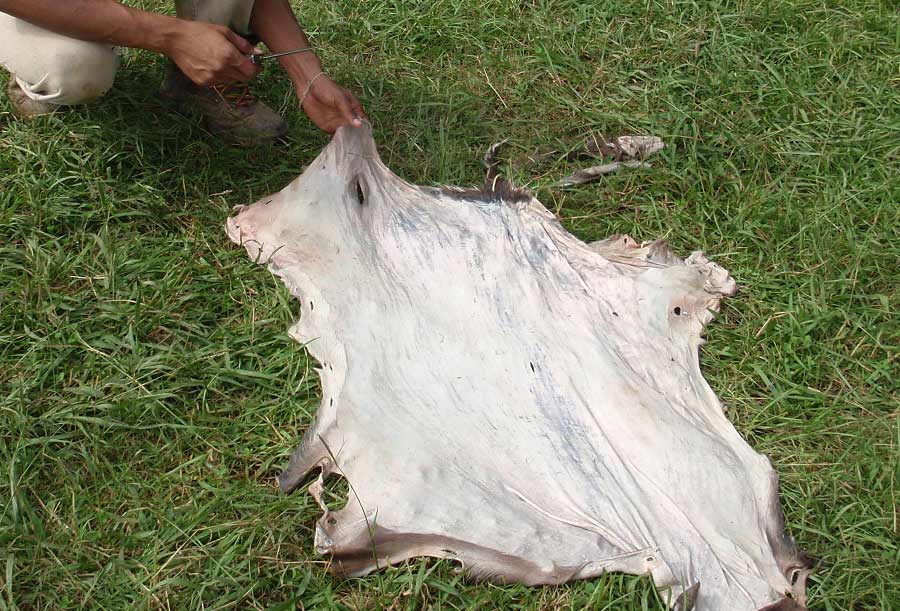
When you successfully harvest a deer, you've done more than secure a meal; you've acquired a comprehensive survival kit. For primitive cultures, the deer was the ultimate resource—a living storehouse of food, tools, medicine, and shelter material.
In a survival situation, the golden rule of the hunt is simple: nothing is wasted. Every part of the animal, from the hide to the hooves, has a purpose that can increase your odds of making it home. Moving beyond just the muscle meat, here are 10 parts of a deer that provide critical survival resources.
I. Fuel for the Furnace: Meat, Organs, and Fat
In cold or high-stress environments, calories and easily absorbed nutrients are your highest priority. These parts provide immediate energy and critical micronutrients.
1. Visceral Fat (The Lifeline)
While we often focus on lean meat, fat is the most valuable part of a deer for survival. Fat stores 9 calories per gram (more than double the protein or carbohydrates) and provides slow-burning energy essential for maintaining core body temperature, especially in the cold. The kidney fat, or suet, is often the densest and cleanest source.
2. Liver and Heart (The Nutrition Superpower)
These are nutrient goldmines. The liver is packed with Vitamin A, iron, and crucial B vitamins—a necessary boost to prevent nutritional deficiencies in a long-term scenario. The heart is pure muscle, extremely rich in protein and B vitamins, and is easily cooked and consumed immediately. Do not discard these organs.
3. Muscle Meat (The Calories)
The primary source of protein. Protein is vital for muscle repair, healing, and producing hormones, but relying solely on lean muscle meat can lead to "rabbit starvation" (protein poisoning) if fat is not also consumed. Muscle meat must be supplemented with fat or other caloric sources.
4. Bone Marrow (The Quick Energy)
Easily extracted from the long bones, bone marrow is nearly 100% pure, digestible fat. It can be eaten raw for a quick energy boost, spread on cooked meat, or rendered (melted) down into a valuable oil for lamps or waterproofing.

II. The Resource Toolkit: Bone, Sinew, and Antler
Once the meat is processed, the structural components of the deer become your crafting materials for tools, cordage, and weapons.
5. Sinew (The Natural Cordage)
The tough, rope-like tendons found along the backstraps and in the legs are known as sinew. When dried, pounded, and separated into fibers, sinew is perhaps the best natural thread and lashing material available. It's incredibly strong, durable, and was historically used for bowstrings, sewing hides, and hafting (attaching) stone points to arrows.
6. Bones (The Tools)
Deer bones are dense and can be used to make almost any tool required for survival.
- Awls and Needles: Long, sharp pieces can be shaped into needles for sewing hide or awls for punching holes in leather.
- Scrapers: Flat, sturdy leg bones can be used as scrapers for cleaning fat from hides before tanning.
- Splints: Larger leg bones, when split, can be used to create stabilizing splints for broken limbs.
7. Antlers (The Handles and Blunts)
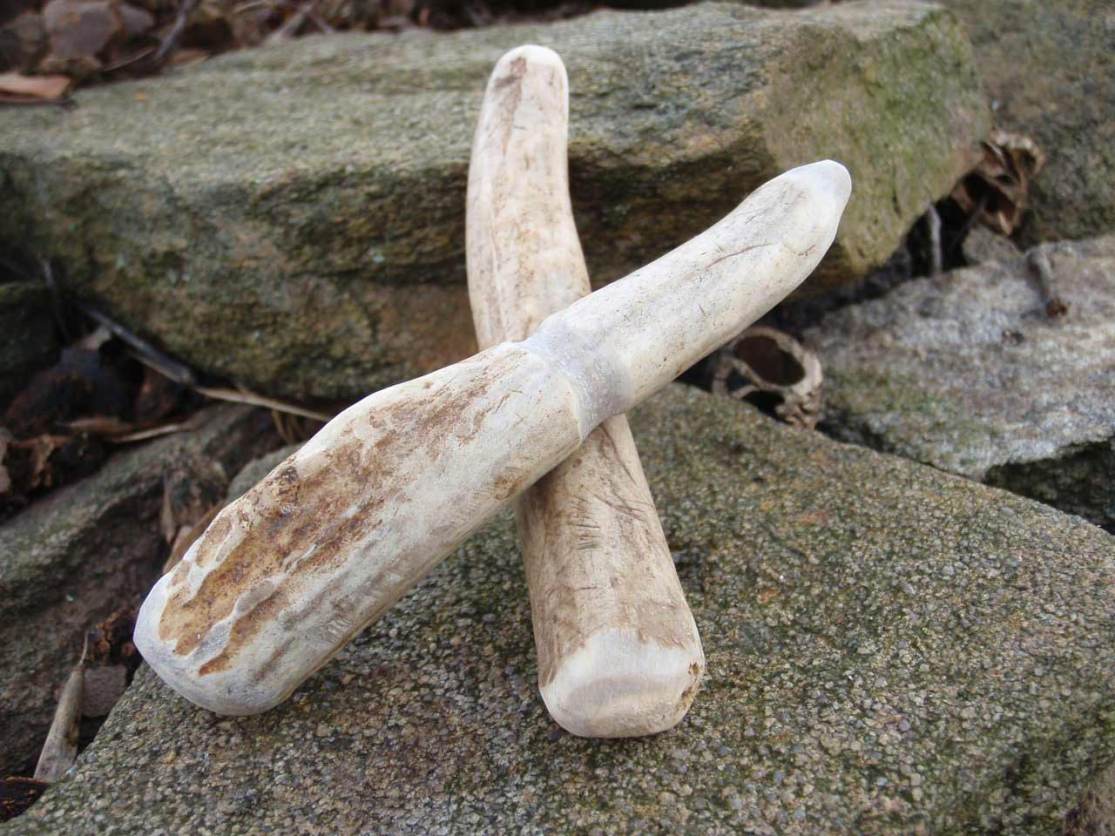
If you harvest a buck, the antlers are primarily used for making durable handles for knives and scraping tools. They are also incredibly dense and make excellent percussors (hammers) for knapping stone tools, as they are softer than rock but tougher than wood.
III. Protection and Processing: Hide and Brain
These components work together to provide insulation, weather protection, and fire-making aids.
8. The Hide (The Ultimate Protection)
The deer hide (skin) is the single most valuable non-food survival item. When properly tanned, it provides durable leather for moccasins, mittens, and clothing. Untanned, the hide can be used to create a temporary, insulating bedding layer or the outer wall of a debris hut.
9. The Brain (The Tanning Solution)
The ancient rule of tanning is "an animal gives you enough brain to tan its own hide." Deer brains contain lecithin and oils that make a natural emulsifying agent. This makes them a perfect primitive solution for turning a tough, rigid hide into soft, pliable, and water-resistant leather.
IV. The Extras: Blood and Hooves
Even the materials often considered waste have highly specialized uses.
10. Hooves and Bones (The Glue)
When boiled for many hours, the hooves, skull, and dense bones yield gelatin and collagen. This thick liquid, once dried, creates an incredibly strong, waterproof hide glue. This adhesive was essential for binding arrowheads to shafts and reinforcing wood tools.
Final Thought: The Self-Sufficient Harvest
Harvesting a deer is not a luxury; it’s an act of self-sufficiency. By utilizing every part of the animal, you transform a single event into a massive resource stockpile. The knowledge of how to turn fat into fuel, sinew into cord, and a hide into clothing is the most important survival tool you can carry. It is the core difference between having one meal and having a complete chance at survival.
What is one part of the deer you would prioritize processing first: the fat or the hide?